Aviation
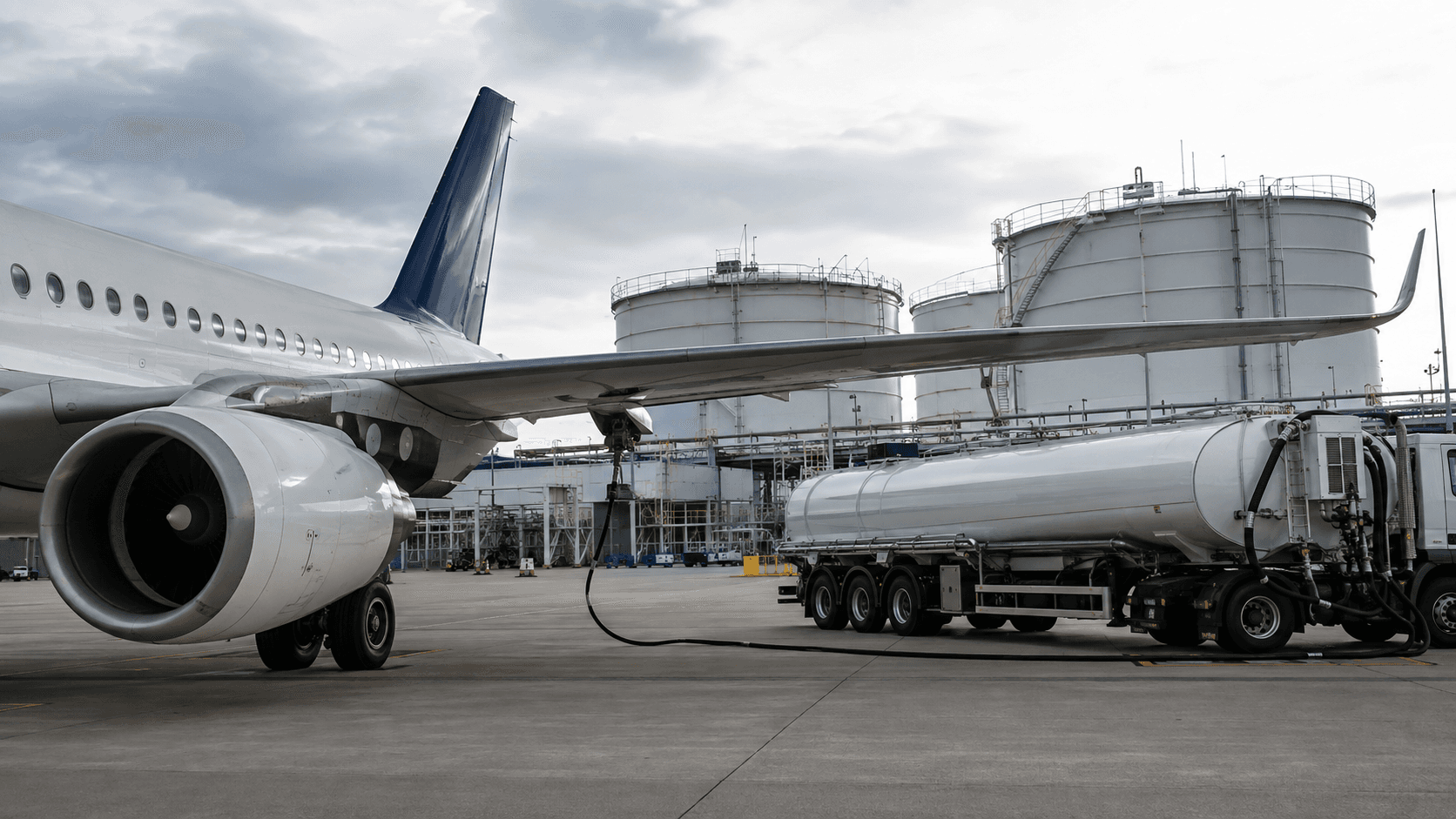
European Airlines Push Back Against EU Synthetic Aviation Fuel Mandate
European airlines are urging policymakers to reconsider the EU’s 2030 synthetic aviation fuel mandate, warning that high production costs and limited eSAF supply could make the targets difficult to achieve.
Airlines warn that high costs and limited eSAF supply could make the EU’s 2030 targets difficult to achieve
Major European airlines are increasing pressure on policymakers to reconsider parts of the European Union’s synthetic aviation fuel mandate.
Airline groups have raised concerns that synthetic sustainable aviation fuel, commonly known as eSAF or e-kerosene, may not be available in sufficient volumes by 2030. They also argue that current production costs could significantly increase operating expenses and ticket prices.
What does the EU regulation require?
Under the ReFuelEU Aviation Regulation, fuel suppliers must progressively increase the proportion of sustainable aviation fuel supplied at eligible EU airports.
The overall SAF requirement began at 2% in 2025 and is scheduled to rise to 6% in 2030. Synthetic aviation fuels will be subject to a separate minimum share beginning at 1.2% in 2030, increasing over subsequent decades and reaching 35% by 2050.
Why are airlines concerned?
Synthetic aviation fuel is produced using renewable hydrogen and a carbon source rather than conventional crude oil. Although it can potentially reduce lifecycle emissions, the production process requires large amounts of renewable electricity and involves several energy-conversion stages.
European airlines argue that the industry currently faces three major challenges:
Limited commercial eSAF production
Significantly higher costs than conventional jet fuel
Uncertainty over whether sufficient capacity will be available by 2030
Some airline representatives have called for the synthetic-fuel requirement to be delayed, reduced or reconsidered if supply does not develop quickly enough.
A difficult investment cycle
The dispute highlights a central challenge for the emerging e-fuel industry.
Producers need long-term demand guarantees before financing large production facilities. Airlines, meanwhile, want evidence that certified fuel will be available at commercially manageable prices before accepting binding consumption requirements.
Weakening the mandate could reduce costs for airlines in the near term, but it could also make investors less willing to finance new eSAF plants.
Maintaining the mandate could support market development, although airlines may face higher fuel expenses while production remains limited.
Why synthetic aviation fuel matters
Battery-electric propulsion is not currently practical for most long-distance commercial aviation because of aircraft weight, range and energy-density requirements.
Synthetic kerosene is therefore being considered as one of the potential pathways for reducing aviation emissions while continuing to use turbine aircraft and liquid-fuel infrastructure.
When it meets applicable aviation specifications, e-kerosene can potentially be blended with conventional jet fuel. Its environmental performance, however, depends on renewable electricity sourcing, hydrogen production, carbon origin and the emissions generated throughout the complete supply chain.
Industry and policymakers remain divided
Airlines are calling for flexibility, cost support and a more realistic assessment of future fuel availability.
Supporters of the existing targets argue that legally binding demand is necessary to encourage investment, expand production and reduce costs over time. Environmental groups have also warned that delaying the rules could weaken Europe’s early position in the synthetic-fuel market.
The European Commission and aviation authorities continue to monitor SAF production, supply and market development under the ReFuelEU framework.
What happens next?
Several developments will determine whether the 2030 requirement remains achievable:
Final investment decisions for eSAF plants
Construction and commissioning progress
Availability of renewable hydrogen
Long-term airline purchase agreements
Government subsidies and price-support mechanisms
Certification of commercial fuel volumes
Any revision of the ReFuelEU timetable
The debate is likely to intensify as 2030 approaches and the gap between planned and operational production becomes clearer.
Key Takeaway
The disagreement is not primarily about whether aviation needs lower-emission fuels. It is about how quickly synthetic fuel production can scale, who will absorb the additional costs and whether binding mandates will accelerate investment or place unrealistic pressure on airlines.

