INDUSTRY · POLICY · PROJECTS · ADOPTION

CROSS-SECTOR PERSPECTIVE
E-Fuel adoption depends on more than fuel production.
Credible policy, investment, infrastructure, technical readiness and real-world demand must develop together. The E-Fuel Association connects these areas to provide a clearer view of how renewable synthetic fuels can move from projects to practical use.
From renewable electricity to ready-to-use fuel.
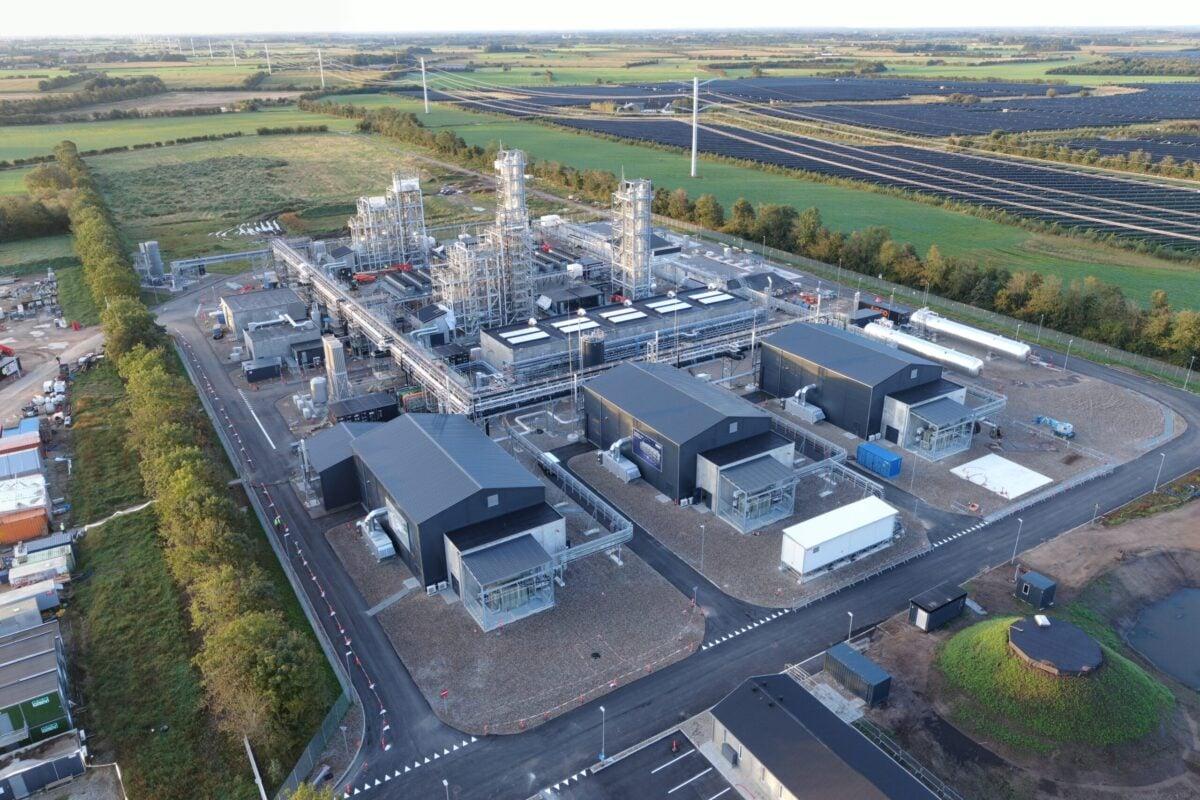
A simplified view of how renewable electricity becomes a transportable liquid or gaseous energy carrier.
Renewable Power
Wind, solar and other renewable sources provide electricity.
Hydrogen
Electrolysis converts water and renewable electricity into hydrogen.
Carbon or Nitrogen
Captured carbon or nitrogen is prepared for the selected fuel pathway.
Synthesis
Hydrogen is converted into a liquid or gaseous synthetic fuel.
Distribution & Use
The final fuel is stored, transported and used in its application.
WHY E-FUELS
Renewable molecules for sectors that still need fuel
Hard-to-Electrify Applications
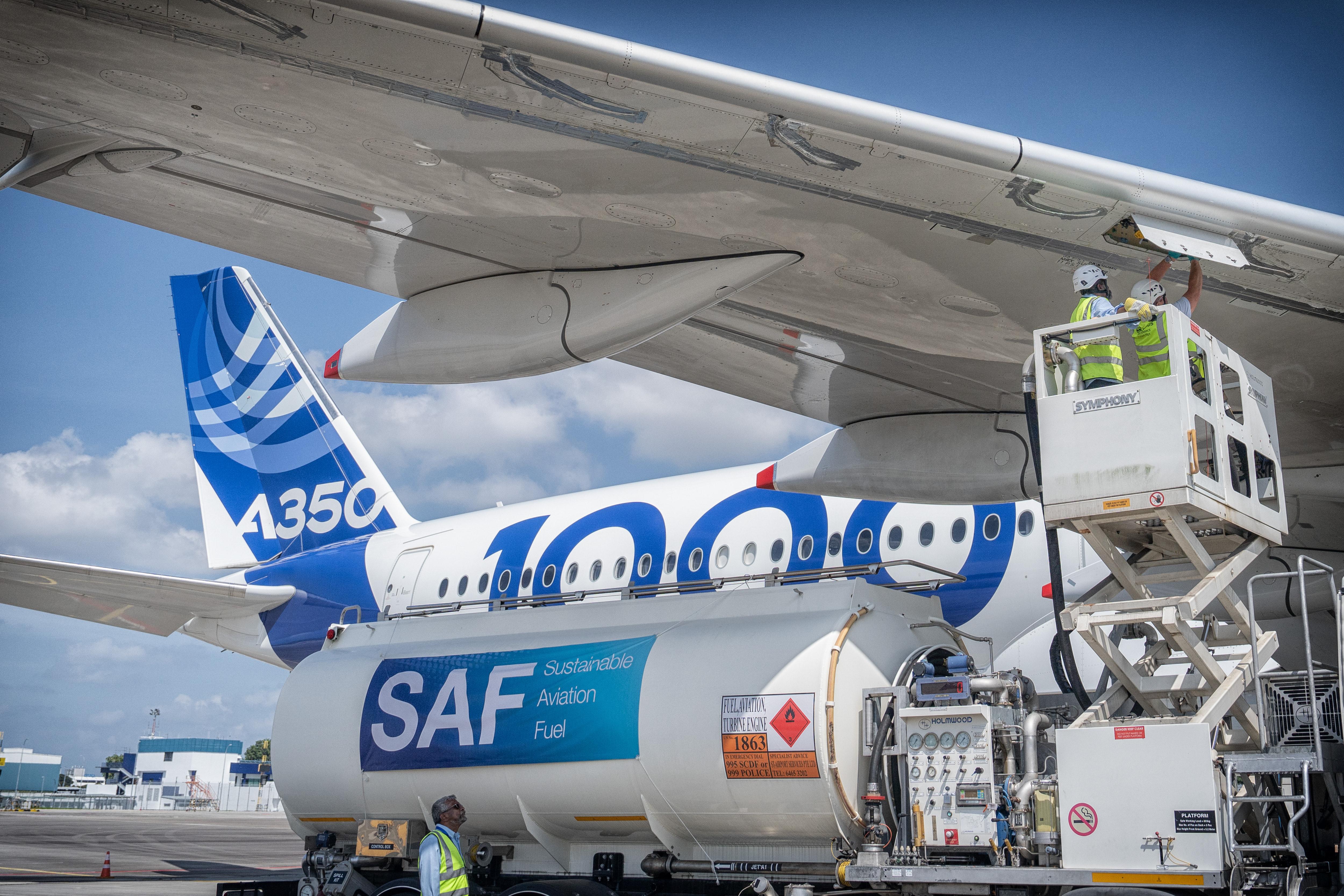
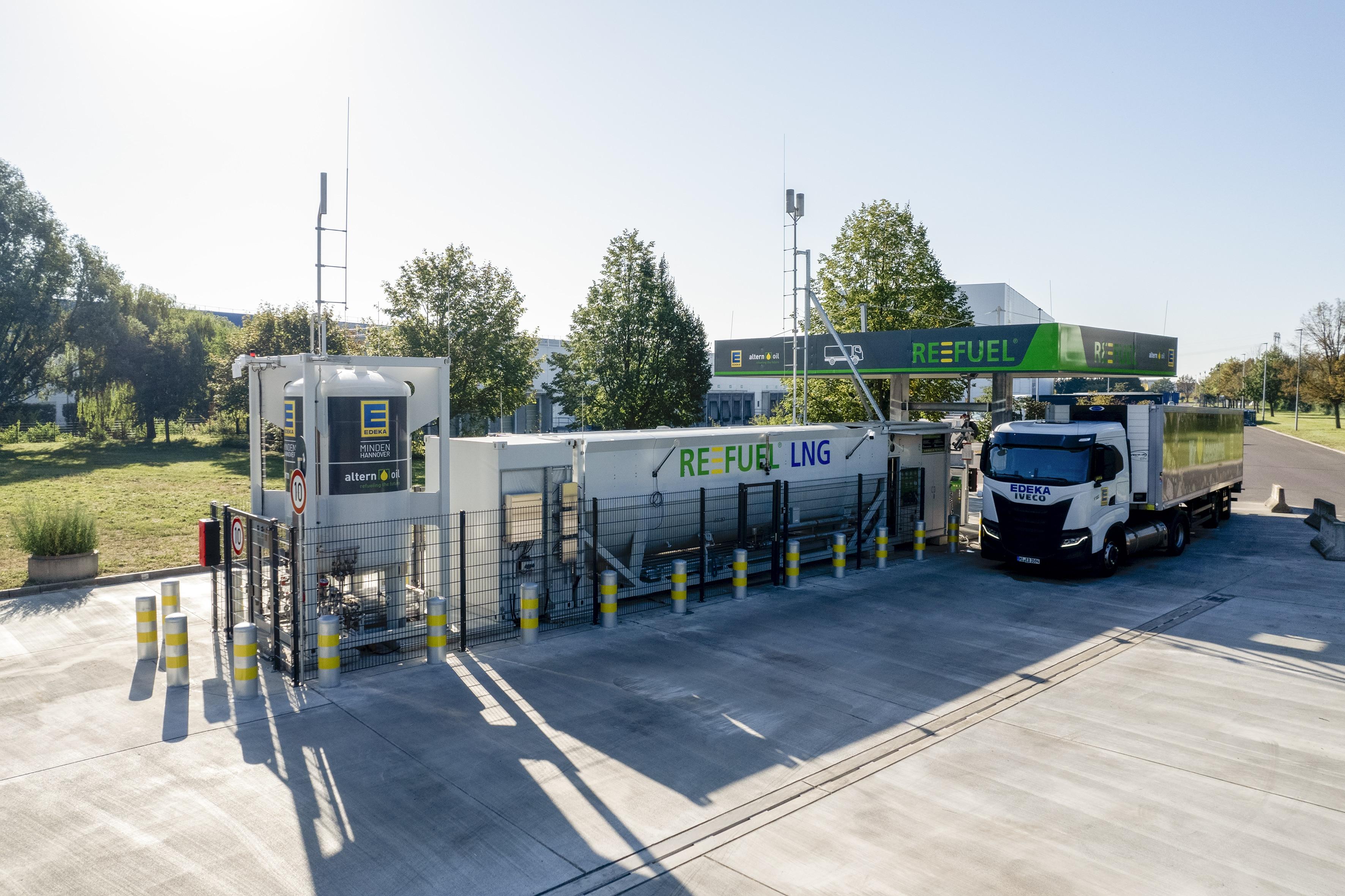
Support decarbonisation pathways in aviation, shipping, selected heavy-duty applications and industrial processes.
Transportable Renewable Energy
Convert renewable electricity into fuels that can be stored and transported across regions.
Infrastructure Potential
Certain compatible fuels may use parts of today’s storage, transport and distribution infrastructure.
Industrial Feedstocks
Replace fossil-based molecules not only as fuels, but also as feedstocks for selected chemical processes.
Direct electrification is central to the energy transition. Yet some applications require high energy density, long operating ranges, transportable energy or molecular feedstocks. Renewable E-Fuels can complement batteries, renewable electricity and hydrogen in these areas.
The right solution depends on the sector, application, infrastructure and complete lifecycle impact.
APPLICATIONS
Different sectors. Different operating requirements.
The role of E-Fuels depends on energy demand, range, payload, storage, infrastructure and the operating environment. Each sector requires its own combination of fuel properties, technology and policy support.


STAY INFORMED
Follow the policies, projects and markets shaping E-Fuel deployment.
Receive selected updates on regulatory developments, investment, production projects, industry collaboration and upcoming events.
Subscribe
By subscribing, you agree to receive email updates from the E-Fuel Association. You may unsubscribe at any time. See our Privacy Policy.
News & Insights
Developments shaping the renewable E-Fuel market.
POLICY · PROJECTS · MARKETS · TECHNOLOGY
Explore selected analysis and updates covering policy, production projects, investment, technology, standards and real-world adoption across the E-Fuel value chain.

